The Hidden Risks of Venue Security: What Every Organizer Needs to Know
Ah, venue security-the unsung hero of every event, from intimate corporate gatherings to raucous concerts. Think of it as the bouncer at the club, ensuring that only the right people get in and that everyone inside is safe and sound.
But let’s face it, venue security isn’t just about checking IDs and making sure no one sneaks in with a snack-sized bag of popcorn. It’s a complex web of event safety measures, protocols, and strategies designed to keep chaos at bay.

Understanding Venue Security
Definition of Venue Security
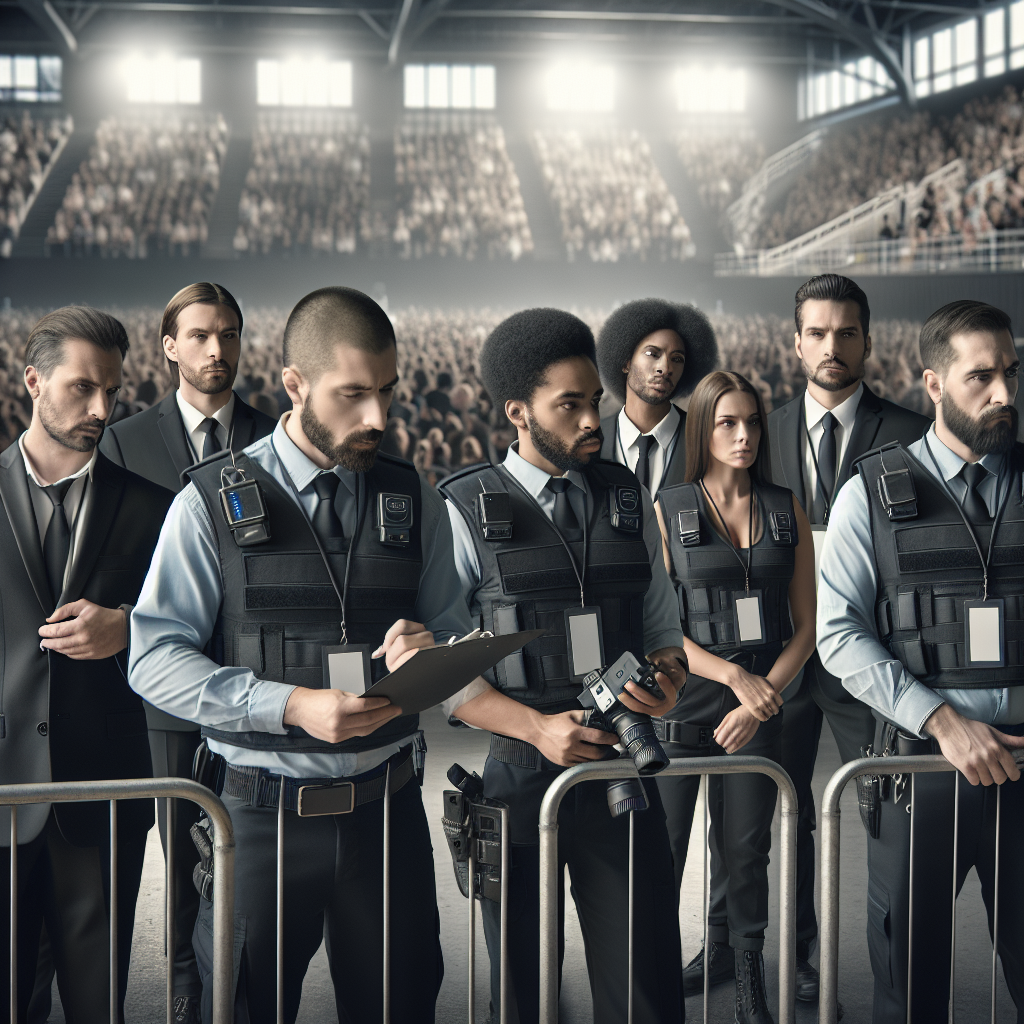
Venue security is like the fortress walls around your event castle. It encompasses a range of event safety measures designed to protect attendees, assets, and the venue itself. This includes everything from venue access control to the deployment of trained security personnel for events. Think of it as a multi-layered approach where every layer is crucial to keeping your event safe and sound.
Common Types of Venue Security Measures
So what does good venue security look like? Let’s break it down into bite-sized pieces:
- Entry Screening Procedures: Bag checks at events ensure no one sneaks in anything that could disrupt the fun.
- Crowd Management Strategies: Think temporary fencing for crowd control at events and venues-keeping things orderly is key!
- Event Surveillance Systems: Cameras that keep an eye on everything from suspicious activity to lost kids.
- Emergency Response Planning: A solid plan means knowing how to react if things go south-because hope is not a strategy!
- VIP Protection: Because sometimes your special guests need extra TLC (and by TLC, we mean top-notch security).
- Your Venue Incident Response Team: Trained personnel ready to spring into action if needed-like superheroes but with radios instead of capes!
The Hidden Risks Associated with Venue Security
Inadequate Risk Assessments
Imagine throwing a party without knowing how many people are coming or what they might bring. Sounds like a recipe for disaster, right? Well, that’s what happens when organizers skip thorough venue risk management. Inadequate risk assessments can leave gaping holes in your security strategy, making it easier for issues to slip through the cracks.
A comprehensive risk assessment should evaluate everything from potential threats to the venue layout. Consider factors like:
- Type of event (concert, festival, corporate gathering)
- Expected crowd size and demographics
- Historical data on similar events in the area
- Unique venue characteristics (exits, blind spots)
Insufficient Staff Training and Preparedness
You wouldn’t want a rookie pilot flying your plane, right? The same logic applies to security personnel for events. Insufficient training can turn even the best security measures into a game of chance. Imagine your staff fumbling around during an emergency-yikes!
To combat this risk, invest in robust training programs that cover:
- Crowd management strategies and de-escalation techniques
- Emergency response planning for venues
- Communication systems for event security teams
- Entry screening procedures for venues to ensure compliance with safety protocols
A well-prepared team is your first line of defense against chaos-so make sure they’re equipped with the right skills!
Lack of Coordination with Local Law Enforcement
If you think you can tackle venue security all on your own, think again! A lack of coordination with local law enforcement can leave you vulnerable to unforeseen threats. It’s like trying to win a football game without consulting your coach-you need that extra layer of support!
Establishing strong communication channels with local law enforcement ensures they’re aware of your event’s details and can provide assistance if needed. This includes:
- Sharing event timelines and expected attendance numbers.
- Collaborating on emergency response plans.
- Coordinating traffic control and crowd management strategies.
This partnership not only enhances safety but also builds trust within the community.
Over-reliance on Technology and Surveillance Systems
Let’s get real: while technology is fantastic, it’s not infallible. Over-relying on surveillance systems or automated checks can lead to complacency among staff.
A balanced approach is key. Combine technology with trained security personnel for events. Consider these strategies:
- Diversifying monitoring methods (CCTV plus live personnel).
- Regularly testing and updating technology in venue security systems.
- Implementing manual checks alongside automated processes.
Unforeseen External Threats (e.g., terrorism, protests)
No one wants to think about worst-case scenarios when planning an event, but ignoring them is like playing hide-and-seek with danger. Unforeseen external threats can disrupt even the best-laid plans faster than you can say “venue lockdown procedures.”
Your venue needs to be prepared for anything from protests to more serious threats like terrorism. Here are some proactive steps:
- Crowd management strategies that account for potential disruptions.
- A well-defined emergency response plan tailored to various scenarios.
- A dedicated venue incident response team
Understanding these hidden risks associated with venue security would help ensure that every event runs smoothly without unexpected hiccups. So take charge now-don’t wait until chaos strikes!
Case Studies: Real-World Examples of Venue Security Failures
High-Profile Events with Security Breaches
Let’s take a stroll down memory lane and revisit some infamous events where venue security took a hit. These high-profile security breaches serve as cautionary tales for event organizers everywhere.
- The 2017 Manchester Arena Bombing: During an Ariana Grande concert, a suicide bomber detonated an explosive device, resulting in 22 fatalities and hundreds injured. This tragedy highlighted the need for enhanced event safety measures, especially in crowded venues.
- The 2019 Astroworld Festival: A chaotic crowd surge led to multiple injuries and fatalities at Travis Scott’s concert. The incident raised questions about crowd management strategies and the adequacy of security personnel on-site.
- The 2020 Capitol Riot: While not a traditional event, the lack of security coordination during the January 6th insurrection showcased how inadequate planning can lead to overwhelming chaos, even in places of governance.
Analysis of Consequences for Organizers and Attendees
Organizers can face lawsuits, loss of sponsorships, and increased insurance premiums due to incidents stemming from poor venue risk management.
A single incident can tarnish an organizer’s reputation, making future events harder to sell. Trust is hard-earned but easily lost!
For attendees, the trauma from experiencing or witnessing violence can lead to long-term psychological effects. Event safety measures must prioritize attendee well-being.
Lessons Learned from Each Case Study
1. Invest in Comprehensive Risk Assessments.
2. Crowd Management Is Non-Negotiable:.
3. Create Strong Partnerships with Law Enforcement.
4. Diversify Security Measures.

Best Practices for Enhancing Venue Security
Conducting Comprehensive Risk Assessments Before Events
Before you roll out the red carpet, it’s crucial to conduct a thorough risk assessment. Think of it as the pre-game strategy session where you identify potential threats and vulnerabilities. A comprehensive assessment should cover:
- Event Type: Different events come with unique risks. A corporate event has different security needs than a raucous concert.
- Crowd Size: The larger the crowd, the more complex your event crowd control needs become.
- Venue Layout: Know your exits, blind spots, and any potential choke points. This knowledge is essential for effective venue safety protocols.
- Historical Data: Look at past incidents in similar venues or events to anticipate potential issues.
Selecting Qualified and Trained Security Personnel
- Crowd Management: Personnel should be trained in effective crowd control strategies to handle large groups efficiently.
- Emergency Response: They should know how to react swiftly to emergencies, think fire drills, but with a lot more adrenaline!
- Communication Skills: Staff must be able to communicate effectively with each other and local law enforcement during an incident.
- Cultural Sensitivity: It is especially important for diverse events; understanding different backgrounds can prevent misunderstandings.
The right team can make all the difference between a smooth event and one filled with chaos!
Establishing Clear Communication Protocols Among Staff and Law Enforcement
- Create a Communication Plan: Outline who communicates what information and when. This includes sharing timelines with local law enforcement.
- Diverse Channels: Utilize radios, mobile apps, or even good old-fashioned walkie-talkies-whatever keeps everyone connected!
- Synchronized Briefings: Hold pre-event meetings with all staff and local law enforcement to ensure everyone is on the same page regarding emergency procedures.
A well-coordinated team can respond more efficiently during crises, which could mean the difference between minor incidents and major disasters.
Utilizing a Combination of Technology and Human Oversight
- Diversified Monitoring Systems: Use CCTV alongside live personnel monitoring to cover all bases-because two heads (or cameras) are better than one!
No matter how advanced technology gets, nothing beats human judgment when it comes to assessing situations on the ground.
- A Regular Maintenance Schedule: Ensure your surveillance systems are up-to-date and functioning correctly. Outdated tech is like using floppy disks in 2025-not cool!
This combination ensures that you’re not just relying on gadgets but also leveraging human insight for nuanced decision-making.

Call to Action: Contacting a Professional Security Service for Your Next Event
Why Choose Professional Security Services?
- Expertise in Venue Safety Protocols: Professional security teams are trained to identify and mitigate risks specific to your event type, whether it’s concert security, corporate event security, or festival security solutions.
- Comprehensive Event Surveillance Systems: With access to advanced technology and human oversight, they can monitor every corner of your venue, ensuring that no suspicious activity goes unnoticed.
- Crowd Management Strategies: Trained personnel know how to handle large groups effectively, implementing strategies that keep attendees safe while allowing them to enjoy the festivities.
- Emergency Response Planning: In case of unforeseen circumstances, having a dedicated venue incident response team means you’re prepared for anything-from medical emergencies to unexpected protests.
- Peace of Mind: Knowing that seasoned professionals are managing your venue’s safety allows you to focus on what truly matters-creating an unforgettable experience for your guests!
Your Takeaway:
The importance of engaging professional security services cannot be overstated. From enhancing event safety measures to ensuring effective crowd control and emergency response planning for venues, investing in experts like Stone Security Services is a smart move for any organizer looking to create a secure environment.