Top Considerations for Event Security in NYC
New York City is a bustling metropolis where every corner buzzes with energy, and every event can feel like a high-stakes production.
Did you know that the NYPD has over 36,000 officers, many of whom play a pivotal role in ensuring the safety of large-scale gatherings?
This isn’t just about crowd control; it’s about navigating the intricate web of security challenges unique to NYC and event security in NYC.
The Diverse Event Scene
From corporate galas in Manhattan skyscrapers to music festivals in Central Park, NYC hosts an array of events that attract diverse crowds. Each type of gathering presents its own set of security needs.
For instance, a concert security team must be prepared for mosh pits and enthusiastic fans, while corporate event security requires a more discreet approach to protect VIPs from prying eyes.
Navigating Urban Challenges
The urban landscape adds another layer of complexity. With crowded streets and public transportation hubs nearby, managing access points becomes crucial.
For example, consider a high-profile wedding at a popular venue like The Plaza Hotel.
Security teams must coordinate not only with venue staff but also with local law enforcement and emergency services to ensure smooth entry and exit for guests.
Customized Security Plans
One size fits all is not a phrase you want to hear when it comes to event security in NYC. The best event security companies in NYC understand this and offer customized event security plans tailored to specific needs.
For instance, festival security in Brooklyn may require different strategies than corporate event security on Wall Street, given varying crowd dynamics and potential risks.
- Crowd management strategies tailored for different venues.
- Soft versus hard security measures based on the audience.
- – Emergency response protocols specific to the location.
Regulatory Framework and Compliance for Event Security
Key Regulations Impacting Event Security
The regulatory framework surrounding event security in New York City is extensive and can be daunting. Here are some key regulations that every event organizer should be aware of:
- New York City Fire Department (FDNY) regulations regarding fire safety and emergency exits.
- New York State Liquor Authority (SLA) guidelines for alcohol service.
- Occupational Safety and Health Administration (OSHA) standards for worker safety.
- NYPD requirements for large gatherings, including necessary permits and coordination.
The Role of Licensed Event Security Guards
Licensed isn’t just a buzzword; it’s a necessity when hiring professional event security services in NYC.
New York law requires the state to license any security personnel working at events. This ensures they have undergone background checks and received appropriate training.
But why does this matter? You might ask. Well, having certified event guards means you’re not just hiring warm bodies; you’re getting trained professionals who understand how to manage crowd dynamics effectively while adhering to legal guidelines.
‘Always verify the licensing of your security personnel; it’s essential for compliance and peace of mind.’

Risk Assessment Strategies for Different Event Scenarios
Understanding Event Types
Different events come with their own unique set of risks. A corporate event in a high-rise might face threats like uninvited guests or disgruntled employees.
At the same time, a music festival could be more prone to crowd surges and alcohol-related incidents. Knowing what you’re up against is half the battle.
- Corporate events: Focus on access control and VIP protection.
- Concerts: Prepare for crowd management and emergency response.
- Festivals: Emphasize public safety and medical assistance.
- Private parties: Ensure discreet surveillance and personal security.
Tailoring your risk assessment strategy to the specific type of event can enhance safety and minimize liability.
Assessing Venue Risks
Location, location, location isn’t just a real estate mantra; it’s vital for event security too. Consider a rooftop party in NYC—great views but limited escape routes.
Assessing venue risks means evaluating everything from the layout to nearby hazards, such as construction sites or busy streets.
- (1) Conduct site visits to identify potential vulnerabilities.
- (2) Analyze foot traffic patterns—where do people enter and exit?
- (3) Review emergency protocols with venue staff.
Crowd Control Strategies
Crowd control sounds like something out of a dystopian movie, but it’s essential for any large gathering. In NYC, where crowds can swell faster than you can say afterparty, having a solid plan is non-negotiable.
For instance, at a summer festival in Central Park, deploying trained crowd management personnel at strategic points helps maintain order.
- Use barriers to guide foot traffic.
- Implement clear signage to direct attendees.
- Train staff on de-escalation techniques.

The goal isn’t just keeping people safe; it’s about creating an enjoyable experience where attendees feel secure enough to let loose without worry.
Emergency Response Plans
Even with the best-laid plans, emergencies can happen—think fire alarms or medical incidents. Having an emergency response plan that’s as detailed as your guest list is key. This should include evacuation routes, medical stations, and communication protocols with local authorities.
- (1) Designate roles for staff during emergencies.
- (2) Establish communication channels (walkie-talkies are your friends).
- (3) Conduct drills before the event day.
Preparedness is not just about having a plan; it’s about practicing it until it becomes second nature.
Integration of Technology in Event Security Management
The Role of Surveillance Systems
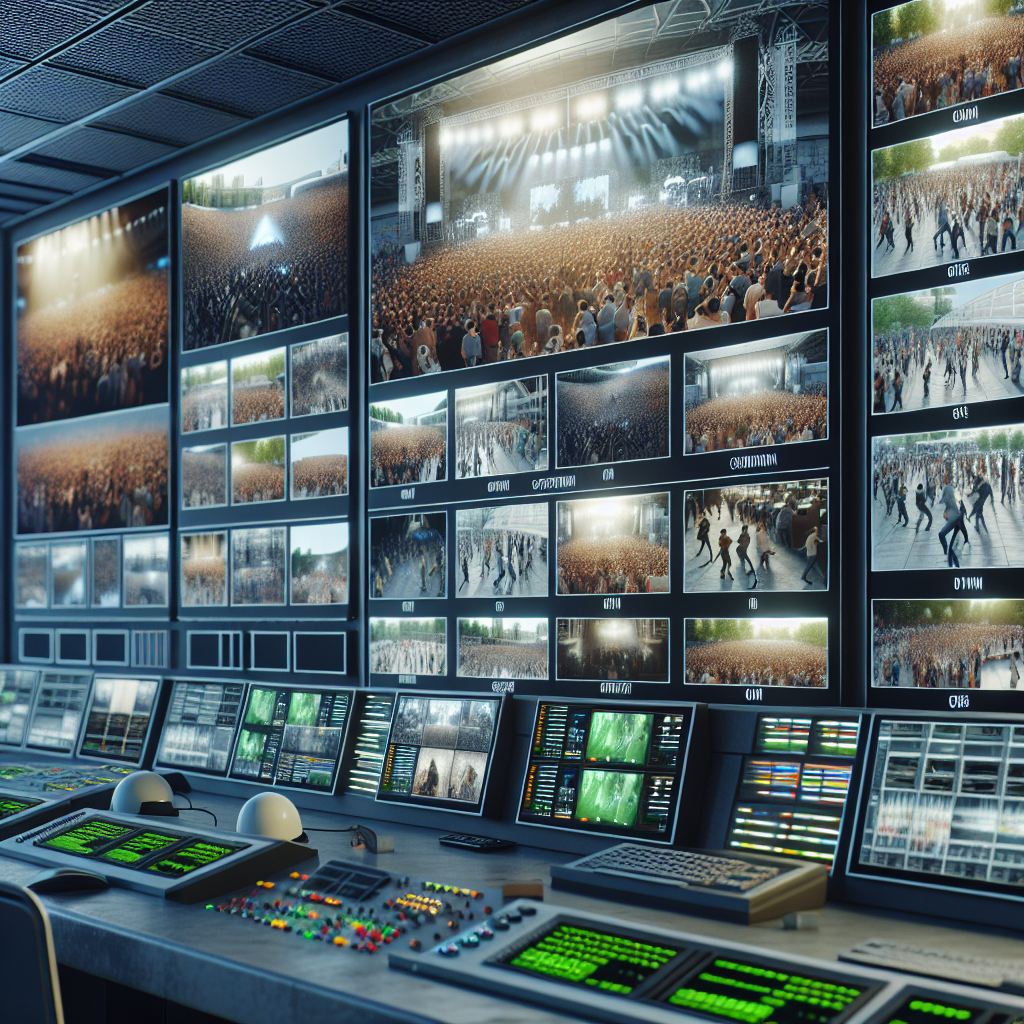
Surveillance systems have evolved from grainy black-and-white footage to high-definition cameras equipped with facial recognition software.
For instance, during a high-profile corporate event in Manhattan, real-time video feeds can alert security teams about unusual behavior before it escalates.
This proactive approach not only enhances safety but also boosts attendee confidence, as they feel secure in their environment.
Access Control and Credentialing
Gone are the days of paper tickets and hand stamps.
Today’s event security services in NYC leverage digital credentialing systems that use QR codes or RFID technology for swift access control.
Imagine a music festival where attendees breeze through gates with just a tap of their wristband—no long lines, no hassle, just smooth entry.
This not only enhances the guest experience but also allows security personnel to monitor crowd flow more effectively.
Communication Tools
Advanced communication tools, such as encrypted messaging apps, ensure that all personnel stay connected without interference from external sources.
During a recent large-scale festival in Brooklyn, these tools enabled instant updates on crowd dynamics, allowing teams to respond rapidly to issues as they arose.
Integrating tech into your event security plan isn’t just smart; it’s essential for modern safety.
Data Analytics for Risk Assessment
What if we could predict potential issues before they happen? With data analytics, this question becomes less hypothetical and more actionable.
By analyzing past incidents and attendee behavior patterns, NYC event security companies can tailor their strategies effectively.
For example, if data indicates higher incidents of trouble during late-night hours at festivals, additional resources can be allocated accordingly.
Staffing Considerations: Training and Experience Requirements
The Importance of Training
Training is where the magic happens. Think about it: a well-trained security guard can de-escalate a potential incident before it spirals out of control, while an untrained one might add fuel to the fire.
In NYC, where events can attract diverse crowds—from rowdy concert-goers to high-profile corporate clients—having personnel who know how to read the room is crucial.
- Crisis management training helps staff respond effectively to emergencies.
- Crowd control techniques ensure safety without causing panic.
- Communication skills are vital for coordinating with local law enforcement.
Experience Matters
Experience isn’t just a buzzword; it’s what sets elite event protection in NYC apart from the average.
Imagine hiring a team that has only worked at small gatherings for your large-scale festival—yikes! You need professionals who have navigated the complexities of major events and understand how to handle unexpected situations.
For example, consider a high-stakes gala at The Metropolitan Museum of Art. Security teams must not only manage access points but also coordinate with museum staff and local law enforcement. This requires seasoned professionals who can think on their feet and adapt quickly.
‘Hiring trained and experienced security personnel is not an expense; it’s an investment in safety and peace of mind.’
The Right Mix: Balancing Skills and Experience
It’s essential to strike the right balance between fresh talent and seasoned veterans. Newer guards may bring enthusiasm but lack the street smarts that come with experience. Conversely, veterans might be set in their ways and resistant to new techniques or technologies.
A successful staffing strategy will involve ongoing training programs that keep all personnel up to date on best practices while also providing mentorship opportunities between seasoned guards and newer recruits.
As you gear up for your next event, remember: investing time in selecting well-trained, experienced staff will pay off tenfold in ensuring safety and enhancing your guests’ experience.
Crowd Management Techniques Tailored for Urban Settings
Understanding Urban Dynamics
Urban environments bring unique challenges that can’t be ignored. Take a bustling street fair in Brooklyn, for instance.
The tight spaces, unpredictable weather, and diverse crowd demographics require a tailored approach to crowd management.
It’s not merely about keeping people safe; it’s about ensuring that everyone has a good time without feeling cramped or overwhelmed.
Effective crowd management can enhance the overall experience while minimizing risks.
Tailored Strategies for Different Event Types
Different events require different strategies. For example, consider a concert at Madison Square Garden versus a corporate gala at the Four Seasons.
While the concert may call for aggressive crowd control measures—such as barriers and trained personnel stationed throughout the venue—the corporate event might prioritize discreet security measures that allow guests to mingle freely without feeling monitored.
- Concerts: Implement barriers and visible security personnel to manage enthusiastic crowds.
- Corporate Events: Use low-profile security measures while ensuring VIP access control.
- Festivals: Create designated zones with clear signage to guide foot traffic and prevent bottlenecks.
- Private Events: Employ discreet surveillance techniques to maintain privacy while ensuring safety.
Utilizing Technology for Crowd Control
Technology is your best friend. From real-time drone monitoring systems to mobile apps that provide attendees with live updates on crowd density, leveraging technology can streamline your crowd management efforts.
Imagine being able to identify areas of congestion before they become problematic—this proactive approach not only enhances safety but also improves attendee satisfaction.
Post-Event Evaluation: Learning from Each Experience
Why Post-Event Evaluations Matter
Let’s face it: even with the best planning, things can go awry. Maybe a VIP guest had trouble accessing their area, or perhaps crowd control measures fell flat during peak hours.
By evaluating these incidents, you can pinpoint what worked and what didn’t, allowing for continuous improvement in your event security strategy.
- Identify security breaches or near-misses.
- Assess attendee feedback regarding safety and comfort.
- Review incident reports and response times.
- Evaluate the effectiveness of communication among security personnel.
Gathering Feedback from All Stakeholders
Feedback is a gift, they say, but only if you’re willing to unwrap it. After an event wraps up, gather insights not just from your security team but also from attendees, venue staff, and even local law enforcement. Each perspective offers unique insights that can help refine your future strategies.
I didn’t feel safe is something no organizer wants to hear. Yet, these comments can be goldmines for improvement.
Consider using surveys or informal interviews to capture genuine reactions from guests about their experience with security measures.
Actionable Insights: Turning Feedback into Strategy
Once you’ve gathered all this information, what’s next? It’s time to translate those insights into action! Perhaps you discover that guests were frustrated by long wait times at entry points.
This could prompt you to rethink access control strategies for future events—maybe implementing digital credentialing systems or increasing staff at peak entry times.
Key takeaway: Incorporating lessons learned into your planning process ensures each subsequent event is safer and more enjoyable than the last. Remember: every successful gathering is built on the foundation of past experiences!
Conclusion
Stone Security Services New York delivers professional, discreet, and highly reliable Event Security NYC for clients across NY, NJ, CT, Brooklyn, Queens, Long Island, and the greater NYC area.
Our trained specialists are equipped to secure events of every size—from corporate conferences and VIP gatherings to private functions and large-scale public events. We also specialize in executive protection, bodyguard services, and specialized transport security.
We provide thorough planning, crowd management, access control, and on-site protection to ensure a safe, seamless experience for all attendees.
When you need trusted, experienced, and rapid-response event security, Stone Security Services is the team you can rely on. Contact us at (800) 883-8614 or visit stonesecurityservice.com.